
I’m the lead platform architect for Lyra Bet Casino in Canada. My days are spent to considering the player journey, but I’m not as concerned with the big wins or flashy animations. What truly catches my attention are the moments that halt everything to a halt: the error messages. To most players, a «Deposit Failed» or «Session Expired» alert is a annoying roadblock, a sign that something’s gone wrong. From my chair, these messages are a critical and deliberate line of communication between our secure systems and you. In an industry built on real money and trust, every pop-up is a measured piece of user safety and regulatory compliance. It’s not a bug. From a Canadian development perspective, these seemingly annoying messages are a fundamental feature of a responsible gaming platform. They serve like a digital floor manager, working quietly to ensure everything is above board for your protection. Let me clarify the logic behind them.
Managing Clarity with Security: Which Details We Can’t Say
This is the balancing act. Sometimes our error messages have to be purposefully ambiguous, and I understand how annoying that is. If we suspect suspicious behavior or a targeted assault on our systems, disclosing the exact reason—»We’ve detected a pattern matching stolen card #XXXX»—would educate the attackers. So we might show a general «Transaction Declined. Please contact support.» This is a calculated trade-off. Our priority transitions from user information to system security. The same logic is used during a distributed denial-of-service (DDoS) attack. Login errors may increase. We can’t announce that we’re under attack, as that might encourage the perpetrators. Instead, we work furiously behind the scenes. The errors act as a buffer, stabilizing the platform for legitimate users. We always aim for transparency, but when security and stability are at stake, clarity is intentionally restricted to safeguard the whole community.

Account security is another subtle field. If a player enters an incorrect password, we say «Invalid credentials.» We don’t reveal whether the username or password was wrong. Giving that detail would help a brute-force attack. If our systems detect quick successive login tries from a new device in a another region, we might freeze the account. The message shown is: «Account temporarily locked for security. Please use the ‘Forgot Password’ feature or contact support.» The message excludes the reason—the suspicious attempt pattern—to avoid offering attackers feedback on what tripped the alarm. This principle carries over to fraud rings trying to abuse bonuses. If we detect a group of accounts using comparable methods to manipulate a promotion, we will block the bonus. We show a general «Bonus Not Available» message while our fraud team examines. Disclosing the specific rule they violated would only help them perfect their methods. In these cases, the obscurity of the error is its advantage.
The Thinking Behind the Pop-Up: Safety First, Every Time
When I design a system flow, my main goal is not «make it seamless.» It’s «make it secure.» In Canada, we operate under strict provincial and federal rules. Every transaction and login is examined for integrity. An error message is frequently the system’s ultimate and most important line of defense. Picture our payment processor flags a transaction for unusual location patterns—maybe a login from Toronto followed by a deposit attempt from Vancouver minutes later. The system won’t just fail quietly. It generates a specific error. That interrupting pop-up is our security protocol proactively protecting your account from potential fraud. We might let the transaction hang in limbo, leaving you confused, but that erodes trust. So we tell you something went wrong, and we typically include guidance. This thinking applies to age verification failures, responsible gaming limit triggers, and geolocation checks. The message itself is our duty of care in action. This duty is embedded into our agreements with regulators like the Alcohol and Gaming Commission of Ontario (AGCO) and the Kahnawake Gaming Commission. Every error message template gets assessed by our legal and compliance teams. They check for technical clarity and for how well it meets regulatory obligations for consumer protection. We treat the text in these alerts with the identical seriousness as the terms and conditions.
Envision a sophisticated alarm system for your financial and personal data. A vague «Error 500» is like a smoke alarm that just beeps; you know there’s a problem, but not what or where. We aim to build an alarm that says «smoke detected in the kitchen, likely from an overheated toaster.» That precision demands a huge amount of backend work. We map thousands of potential failure points to human-readable, actionable guidance. For example, a failed deposit is not logged simply as «bank decline.» Our system separates between «insufficient funds,» «daily transaction limit exceeded at your bank,» «suspected fraud hold by issuer,» and «card expiration date mismatch.» Each scenario triggers a uniquely worded message that suggests the most likely next step. This saves you time and cuts down on confusion. This granular approach turns a moment of friction into an informed troubleshooting step. It underscores that the platform is actively working on your behalf.
How Error Messages Avoid Bigger Problems for Players
Consider the alternative: silent failures. Without clear errors, you may think a deposit didn’t go through and retry. That might lead to duplicate transactions. Or you may believe a bonus was applied when it wasn’t, leading to confusion over winnings. The worst-case scenario? Without explicit responsible gaming interventions, you can lose track of your spending. Our error messages are circuit breakers. The «Session Timed Out» message, for example, requires a re-login. We’re not attempting to annoy you. It’s to re-verify your identity and make sure no one else has used your device. It’s a security timeout. A «Game Currently Unavailable» message could pop up because our system identified a discrepancy in the game state. This safeguards the integrity of that round. By being detailed and precautionary, these alerts prevent small technical glitches from growing into major account disputes or financial discrepancies. Those are far more frustrating in the long run.
Here is a concrete example from our logs. We once had an issue where a specific Interac online deposit would sometimes appear as «successful» on the bank’s side but be unsuccessful on our ledger due to a rare race condition. Without a visible error, players observed money leave their bank but not materialize in their casino account. That led to immediate panic and a flood of support calls. We redesigned the flow. Now, if our system doesn’t get a confirmed handshake from the bank’s API within a strict window, it immediately displays: «Deposit Processing Delayed – Funds Authorization Pending. Do not retry.» This message stops duplicate attempts, directs the player to wait a moment, and logs the incident for our finance team to sort out. It cut related support tickets by more than 70%. The error message functioned as a critical buffer. It handled player expectations and prevented financial chaos while the backend systems resolved the sync issue automatically.
The Intricate Mechanics of Real-Time Compliance Checks
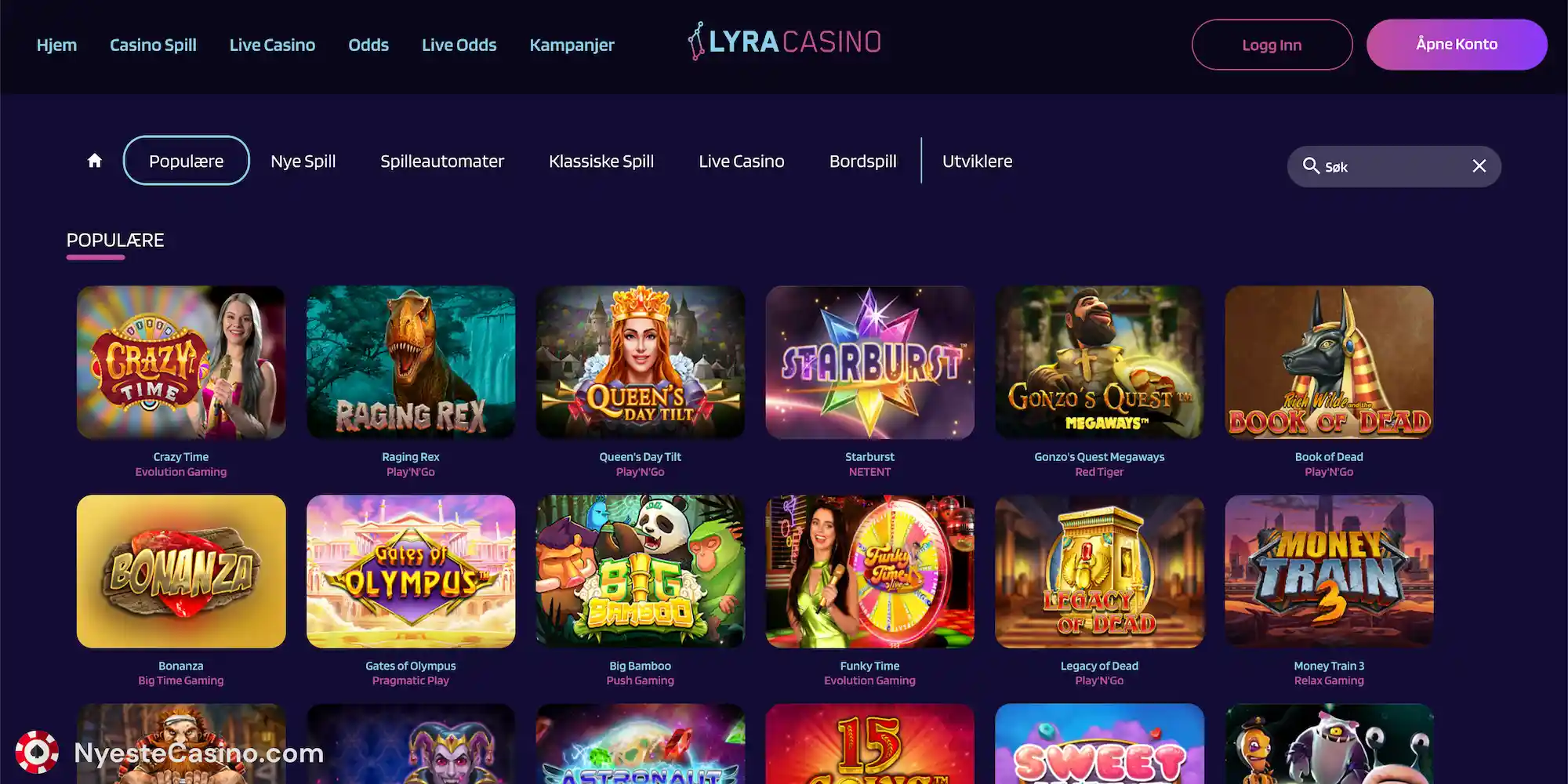
Behind the sleek interface, Lyra Bet’s platform executes a constant symphony of real-time checks with every click. When you hit «spin» or «deposit,» our system doesn’t merely perform the command. It pings multiple external and internal services: the geolocation provider, the payment gateway, the responsible gaming database, the game server, and the central wallet. Each one has to provide a successful «handshake» for the action to proceed. If a single service times out or sends back a flag—like a sudden deposit that surpasses a daily limit you set—the entire chain pauses. An error is generated. All of this occurs in milliseconds. From my development console, I view these interdependencies as a complex web. Designing for this means building systems that handle errors smoothly and informatively. A generic «Something went wrong» represents a failure on our part. A clear «Deposit paused: You have reached your 24-hour limit of $200» is there by design.
The engineering challenge here is huge. We have to architect for «partial failure.» If our primary geolocation provider in Saskatchewan is slow, the system instantly fails over to a secondary provider. That handoff might add a few hundred milliseconds. If that delay triggers a timeout in the payment gateway call, we need to identify that specific cascade. We generate an error that says «Transaction timed out due to connection verification. Please try again,» instead of a cryptic gateway code. We deploy circuit breakers and bulkheads between these services. This prevents a failure in one from crashing the entire platform. Our microservices architecture allows for precision. For instance, if only the «free spins» bonus engine experiences high latency, we can deactivate just that feature with a tailored message. The core deposit and gameplay stay live. This surgical precision in error handling distinguishes a mature, resilient platform from a fragile one.
The Ongoing Feedback Loop: How Your Reports Influence Our Code
Each error message you encounter is logged, sorted, and analyzed. When you get in touch with support about an issue, that ticket doesn’t just solve your concern. It flows directly into our development sprints. If we see a spike in «Payment Method Declined» errors for a certain Interac prefix, we examine a potential integration issue with that financial institution. If users in Manitoba regularly experience geolocation errors in certain areas, we can tweak our location service parameters or provide better troubleshooting advice. This feedback loop is essential for enhancing the Canadian user experience. Your reported frustration with a unclear message prompts directly to me editing its text to be more useful. Or it prompts our team to streamline an API call for better reliability. You are, in practice, a beta tester for our reliability and clarity. We consider that duty earnestly.
Our process is standardized. We hold a weekly «Error Log Review» meeting with engineers, QA specialists, support leads, and compliance personnel. We review dashboards showing error occurrence, geographic distribution, and user resolution routes. For instance, we track how many users who received error X reached out to support versus simply gave up. A prime example came from this process. We detected many users getting «Withdrawal Failed: Account Details Mismatch» were abandoning the flow. Support data showed these were often users with Interac AutoDeposit set up. They hadn’t understood they were required to enter a certain email address. We redesigned the error to say: «Withdrawal Failed: The recipient email does not match your registered Interac AutoDeposit address. Please ensure you are using the exact email linked to your bank’s Interac service, or contact support.» This simple rewrite, arising from your feedback, dramatically lessened follow-up confusion and improved successful first-time withdrawals.
Understanding Common Lyra Bet Error Types in Canada
Let’s break down some common scenarios. «Geolocation Verification Failed» isn’t us being difficult. It’s the law. To offer real-money gaming in Ontario through iGO, or in other provinces, we must physically confirm you’re within a licensed jurisdiction. If you receive this message, our system cannot pin down your location with the required certainty. This often happens because of VPNs, unstable GPS, or dense urban areas. We show the error clearly so you can adjust, instead of letting you play illegally. «Bonus Wagering Requirement Not Met» before a withdrawal is another major one. This message isn’t a denial. It’s a transparent accounting report. Our system records your play against complex bonus rules in real-time. The error indicates exactly what obligation remains, turning a legal requirement into actionable data. Even a simple «Insufficient Funds» message relates directly to our pre-commitment tools, helping you stay in control of your spending. Each code is a specific conversation.
We can go a layer deeper. Take «Account Verification Required.» This occurs when our automated systems, or a manual review by our compliance team, need extra documentation to confirm your identity. It’s a standard «Know Your Customer» (KYC) process. The error will specify the exact document needed, like a recent utility bill or a driver’s license photo. This isn’t pointless bureaucracy. It’s a direct mandate from FINTRAC, Canada’s financial intelligence unit, to prevent money laundering. Another frequent message is «Game Round Incomplete.» This happens if your internet connection drops mid-spin. Instead of guessing the outcome, the system freezes and reports the error. This ensures the game’s random number generator stays uncompromised. It also assures you are neither unfairly deprived of a win nor charged for a spin you never saw. The alternative—a silent reconnect that guesses the outcome—would be a major breach of game integrity and trust.
Welcoming the Message: A Mark of a Living, Adaptive Platform
In the final analysis, I wish you to perceive these issues not as signs of a faulty casino, but of a vibrant, breathing, and intensely monitored platform. A quiet platform is a dangerous one. The fact that you receive a swift, particular message—even a negative one—means our monitoring systems are operational. It implies your data is being safeguarded and the rules of the game are being upheld justly for all. In the lawless wild west of some online spaces, errors are often hidden. That contributes to victimized players and manipulated systems. At Lyra Bet Canada, our dedication to licensing demands this transparency. So the upcoming time you encounter that pop-up, devote half a second to value it. It represents a team of developers, compliance officers, and security experts in Canada have developed a system that concerns enough to stop you, notify you, and shield your play. That’s a feature, not a flaw.
This adaptability is our trademark. When a new regulatory directive arrives, Lyra Bet Casino Daily Bonus, like a change in Ontario’s self-exclusion processes, we don’t just revise the backend. We meticulously shape the accompanying user-facing messages to clarify the update. Our platform develops daily. It’s not just about new games. It’s about enhanced safety features whose primary link to you is that very error message. The pop-up is the forefront of the spear of a large-scale, responsible technical operation. It’s where our code talks immediately to you, often to say «wait, let’s make sure this is right.» In a digital environment where speed is often cherished above all else, that calculated pause, conveyed distinctly, is the highest sign of respect. It values you, your money, and the law. It’s the digital incarnation of our pledge to provide a protected, just, and transparent Canadian gaming experience.